


(FRANKFORT, Ky.) — The 2026 Kentucky General Assembly has wrapped up its 60-day session, passing a two-year state budget that emphasizes fiscal restraint while protecting funding for education, public safety, and veterans’ services.
House Bill 500, which has now become law, allocates $32.4 billion over two years and includes across-the-board spending reductions in the executive branch — a 4% cut in the first fiscal year followed by an additional 3% in the second. Agencies have been given flexibility in determining where to make those reductions, with an eye toward eliminating outdated programs and rolling back expansions made during the pandemic.
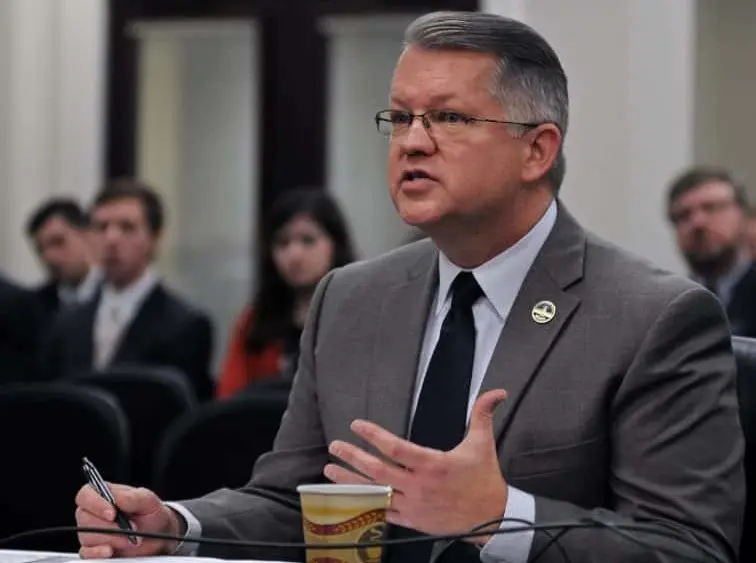
State Rep. Chris Freeland, who represents the district, said the budget reflects the same fiscal common sense most Kentucky families already practice. “Spend responsibly, set priorities, and live within your means,” Freeland said of the guiding philosophy behind the measure.
The push for tighter spending comes on the heels of findings by the state auditor, which identified more than a billion dollars in questioned costs, waste, and mismanagement across state government in recent years — touching areas including Medicaid, transportation, and state travel.
Despite the cuts, funding for K-12 education, Medicaid, corrections, juvenile justice, and veterans’ programs was maintained and, in several cases, increased. State employees will also see a 2% pay raise, and the Kentucky Employee Health Benefit plan’s rising costs are fully funded under the new budget. Lawmakers also continued efforts to shore up the state’s public pension system.
Medicaid remains the budget’s single largest line item, accounting for roughly $6 billion in spending over the two-year period — a figure that lawmakers say underscores the need for long-term reform in how services are delivered and funded.
Beyond the main operating budget, the legislature approved nearly $1 billion for the judicial branch, $182 million for the legislative branch, a $7 billion operating budget for the Transportation Cabinet, a $4.6 billion road construction and maintenance plan, and $70 million in local road project funding.
Out of 1,291 bills filed this session, 171 have become law as of April 15. Lawmakers are not scheduled to return for a regular session until January 5, 2027, though interim committee work will resume in June to monitor implementation of new laws and begin studying issues for next year’s session.
Rep. Chris Freeland can be reached at 1-800-372-7181 or Chris.Freeland@kylegislature.gov. More information is available at legislature.ky.gov.