(FRANKFORT, Ky.) — Kentucky lawmakers took a significant step Thursday toward cracking down on impaired boating, advancing legislation that would bring the state’s boating under the influence laws in line with its stricter driving under the influence standards.
The House Tourism and Outdoor Recreation Committee approved House Bill 168, known as Keegan’s Law, sending it to the full House for consideration. The measure would eliminate Kentucky’s separate, less stringent penalty structure for boating under the influence and apply the same legal standards, penalties and aggravating factors used in DUI cases.
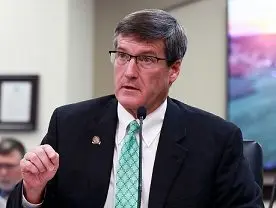
“Being on the water is supposed to be fun, exciting and family-oriented,” said Rep. Ken Fleming, R-Louisville, the bill’s sponsor. “But we have to be responsible and mindful of our surroundings.”
Tragedy Spurs Reform
The legislation is named for 12-year-old Keegan Peterson, who died in a jet ski collision on Nolin Lake in July of 2024. His mother, Heather Yelton, delivered emotional testimony to the committee, describing what she characterized as gaps in the investigation following her son’s death.
“The investigation should be as thorough as possible, and right now, it isn’t,” Yelton told lawmakers. “Because of gaps in our current laws, my family will never know if drugs or alcohol were a factor in my son’s death.”
Mandatory Testing Provision
Under the proposed law, police would be required to seek search warrants for blood testing when boating or personal watercraft accidents result in fatalities or serious injuries posing substantial risk of death. The bill also establishes implied consent for boat operators and permits chemical testing when probable cause exists with judicial approval.
The measure includes communication requirements designed to ensure Kentucky State Police are immediately notified when boating accidents are reported.
Lawmakers Raise Questions
Committee members raised several concerns during Thursday’s discussion. Rep. Shawn McPherson, R-Scottsville, questioned whether blood testing would be mandatory even if an operator passes field sobriety tests.
“Yes — if it’s a fatality or serious physical injury,” Fleming confirmed, noting constitutional safeguards and judicial oversight would remain in place.
Rep. Nick Wilson, R-Williamsburg, voiced support for addressing boating intoxication but expressed reservations about penalty severity. He noted that boating under the influence currently carries minimal consequences — “essentially treated like running a stop sign or failing to wear a seat belt” — while DUI penalties represent “the harshest penalties on the books for a misdemeanor.”
Wilson voted “pass” on the measure but indicated willingness to work with Fleming on his concerns before a potential floor vote.
Enforcement Commitment
Jeremy Thompson, director of law enforcement for Kentucky Fish and Wildlife Resources, assured legislators his agency stands ready to enforce the new standards if the bill becomes law.
“We will enforce every law passed by the General Assembly,” Thompson said.
The bill now advances to the House floor, where it will face its next test in the legislative process.